
Cornish rock pools junior says David Cameron is his arch-enemy. He says David Cameron doesn’t like nature and he just can’t understand it. Attributing everything to one person may not be right, but I can see where he’s coming from.
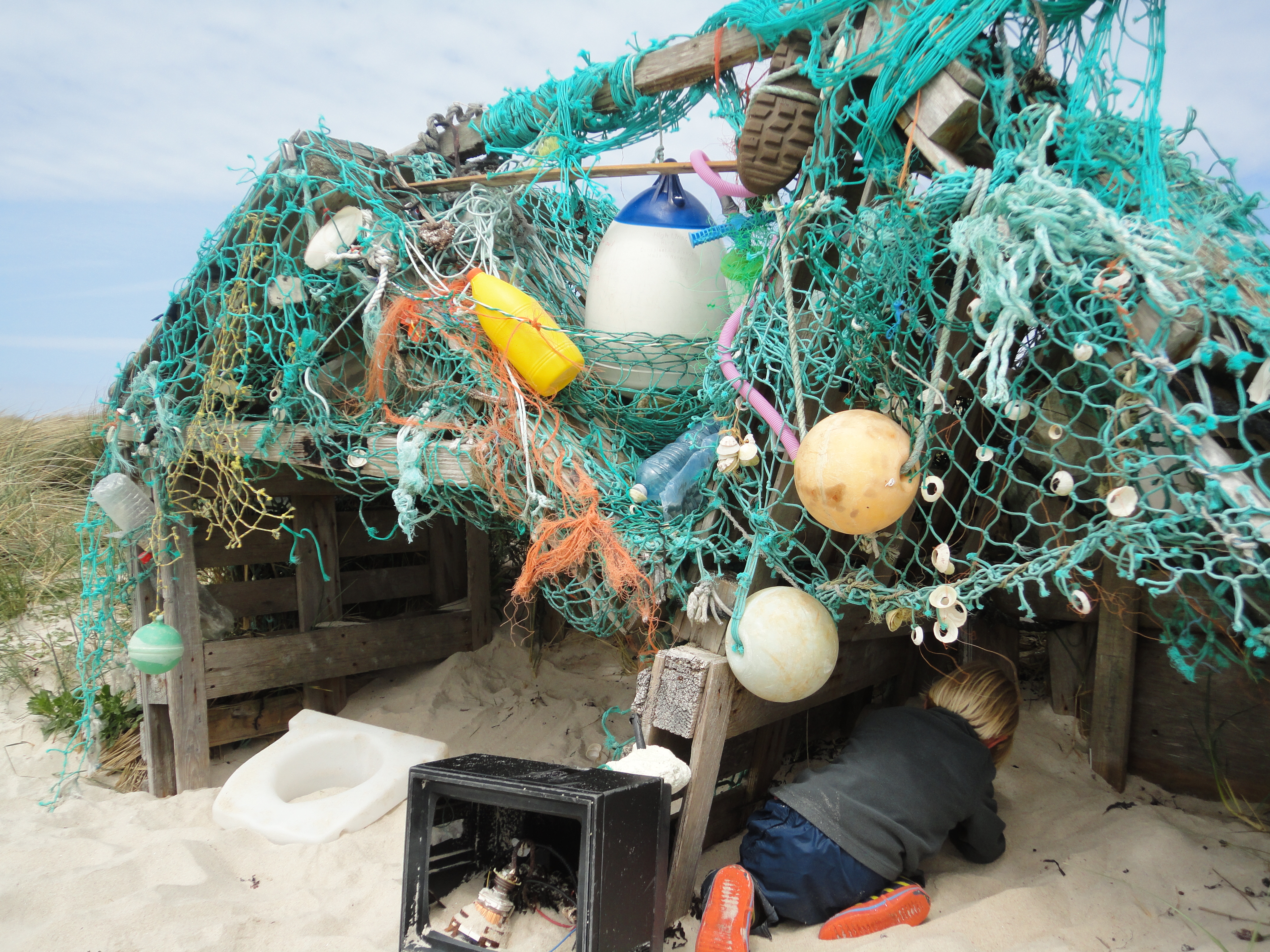
Like most kids his age, Cornish rock pools junior loves nothing better than running wild in the woods and clambering between rock pools. He’s a den-building, dam-making, butterfly-chasing, wave-splashing kind of child – is there any other kind? You could argue that his fierce love of nature is down to my influence, but I don’t think that’s the whole story. He’s very sure of his own mind.
In the last few years in our small coastal town we’ve lost our community bus, seen library opening hours slashed and lost access to some of the few public green spaces. Right now, diggers are tearing up the playground and park at the end of our road in order to build houses. Another application is being discussed to build on one of the two remaining public green spaces.
In adult terms, it’s a typical case of short term thinking: the benefits of natural spaces for fitness, health, flood protection, etc, are greater than the gains from their destruction, but these things aren’t considered important.
In child terms it’s heartbreaking. I’m not the only parent mopping up tears.
Playing in natural spaces is vital for children’s physical and mental health. Children learn best by doing, by experiencing, by exploring, by interacting freely with others. And if they connect with their natural environment as children, they grow up to care more deeply about looking after nature.
We’re losing these spaces at an alarming rate. At least we still have the beaches. When I take kids out on the beach, they soon begin to take a keen interest in marine litter, shark conservation, water pollution and more, because they care about the beach and they want to protect it. Cornish rock pools junior spends most of his time out and about and cares deeply about all these things, but many don’t have these opportunities.
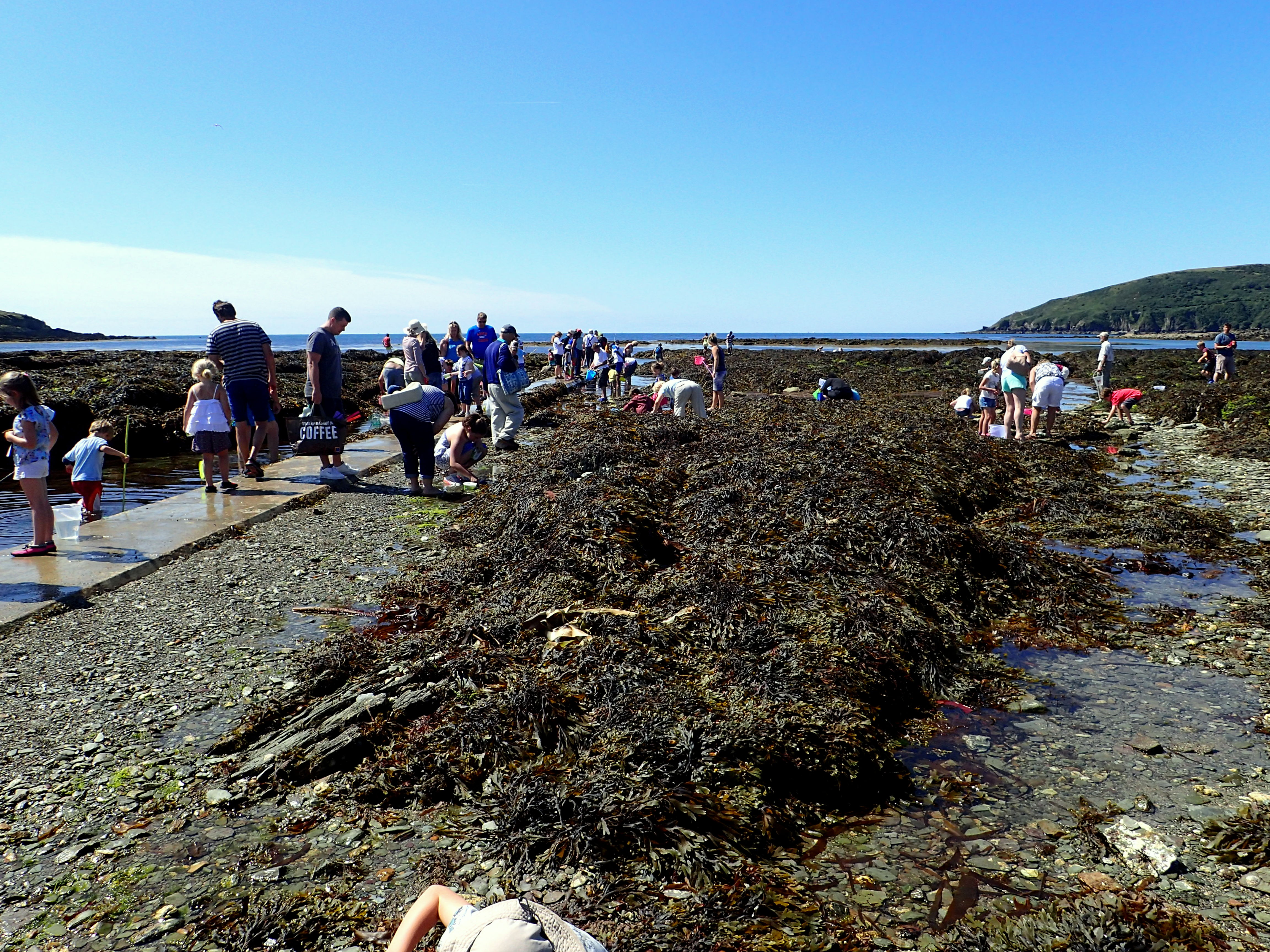
Children’s freedom to play is being squeezed in many ways. It’s not just their access to wild spaces, it’s their time that’s under pressure. In schools, they’re starting academics earlier, being tested earlier, being given more homework. Despite teachers’ best efforts and instincts, this can inevitably result in less importance being placed on experiences and trips, and less free time for play in or out of school. Then there are roads and other dangers which stop parents letting children out. Even here, in a seaside community, there are children who rarely or never go to the beach.
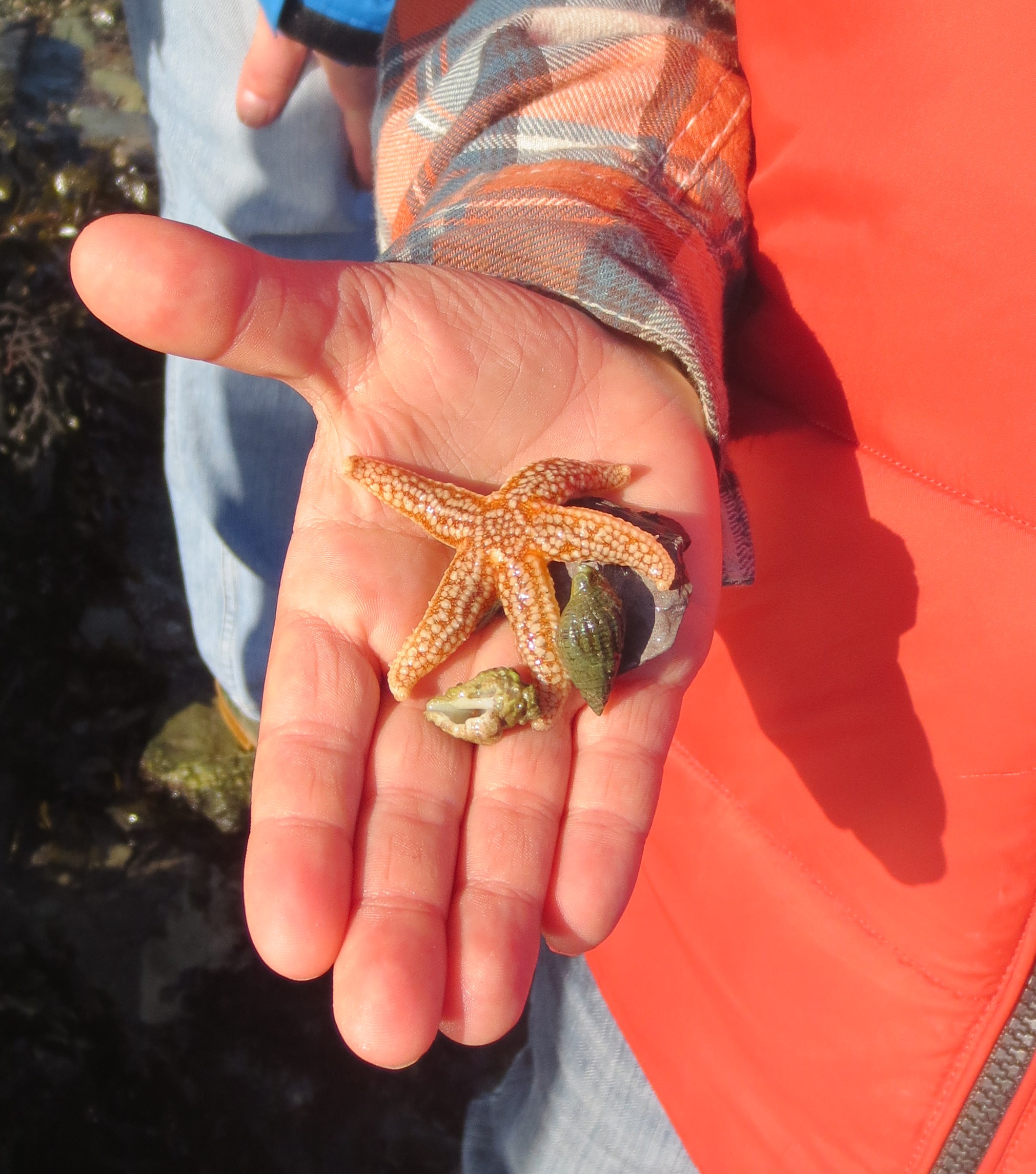
I’ve taken enough kids out on the shore to know there’s no lack of enthusiasm. Nothing beats seeing your first starfish, holding a crab for the first time or catching a fish on your own. I often have to assure teachers and parents that the children’s loud squeals and ten-to-the-dozen chatter really are fine. In fact, they’re great. Children love having the freedom and responsibility to explore the rock pools. They get a thrill from finding and interacting with the wildlife. They engage, learn and retain that learning, and are often keen to talk about what they discovered when I meet them again the following year.
Without a healthy natural world and healthy, creative kids, I can’t see we’re going far, but I don’t always agree with Cornish Rock Pools junior about how change should be achieved. I’ve explained that we should try to make clear arguments and present evidence to convince decision makers to protect nature – so CRP junior has written letters and shared his views, but the responses are bland and dismissive. He insists that sending a seagull air-force to poop on their heads is the best option. Custard bombs, trap doors, apple grenades and chocolate ball shooters have also been suggested.
We do agree on one thing though: we need to change the way decisions are made. It’s not right that the interests of children and nature are sidelined. We need to be smarter about how we work out costs and benefits. Parents, educators and the community all have a role in encouraging and supporting outdoor play, but we need a system that supports this instead of one that undermines it from every angle. Here’s hoping…


 Cornish Rock Pools
Leave a reply to RossMountney Cancel reply