There’s a chill in the air and the pools are strewn with orange and yellow oak leaves, blown in from the nearby woods, yet there’s a crowd on the beach for the Looe Marine Conservation Group’s half-term rockpool ramble. It’s nearly Halloween and there’s no better way than this to get close to other-worldly creatures with some revolting habits.
We arrive late and everyone’s already gathered around the shore lab trays, sharing their discoveries. I’m called on straight away to identify a lugworm, its dark slimy body is oozing into a corner of the tray. You’d only have to blow it up to human size to have a classic horror movie monster.
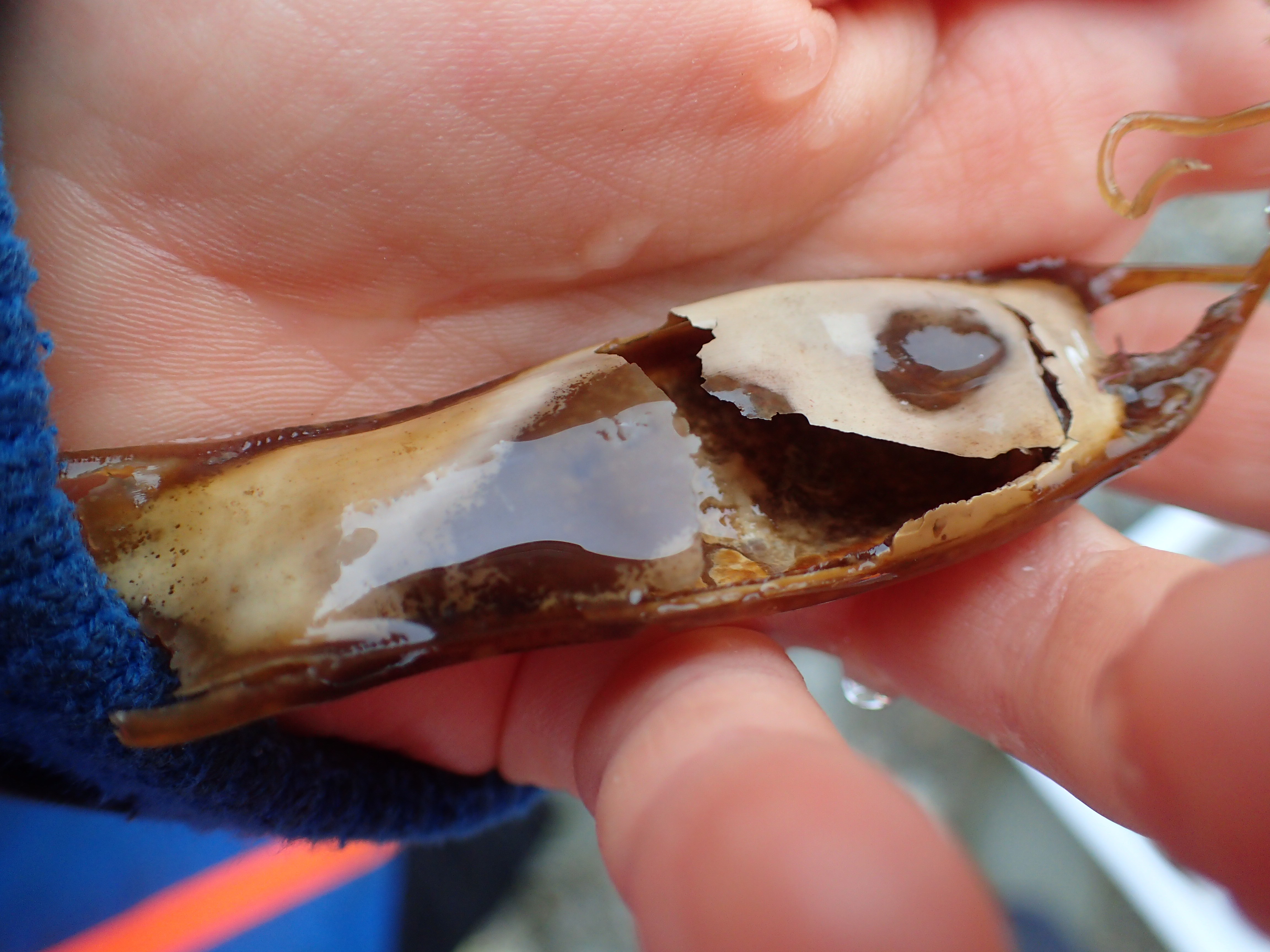
Next up is an empty egg case and several keen kids at the front shoot their hands up and jump eagerly. “It’s a shark!” they call out. Lots of guesses follow about what species of man-eater might be lurking in the shallows. This case is actually from a lesser-spotted catshark, also known as a dogfish, which has some impressive teeth and grows to around 75cm, but is shy and harmless.
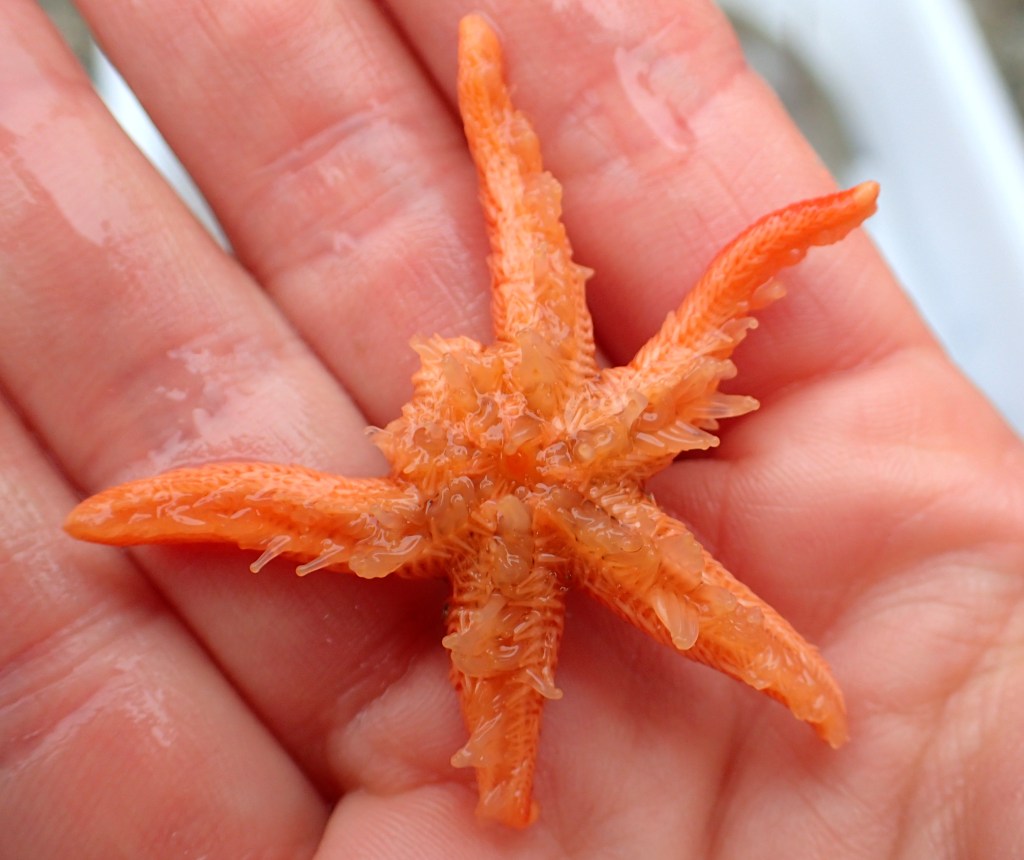
The rock poolers have gathered an impressive haul of starfish. There are cushion stars, a common starfish, brittle stars and a spiny starfish so large it occupies most of the tray on its own. We look closely and a stunning little starfish with a pumpkin-orange back. At first glance it appears to have five arms like the others, but on closer inspection we see two stumps.

This is a seven-armed starfish and these bumps are budding new legs. Just like in all good horror flicks, these creatures can re-grow their limbs.
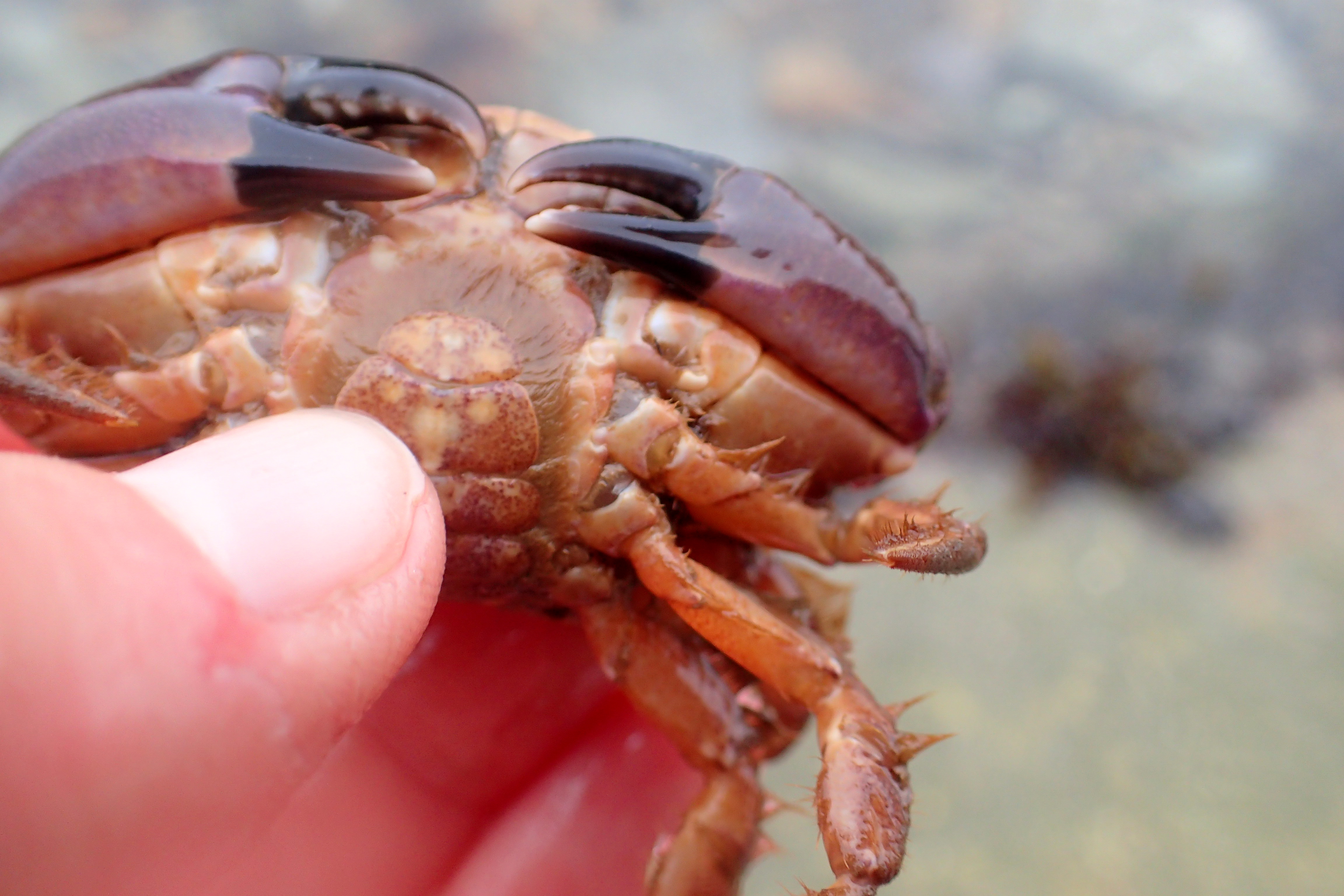
The crabs are on fine form, claws raised and closing on each other. Left to their own devices they’d soon eat each other. Prawns lurk close by, sensing trouble and always willing to clean up any crime scene.
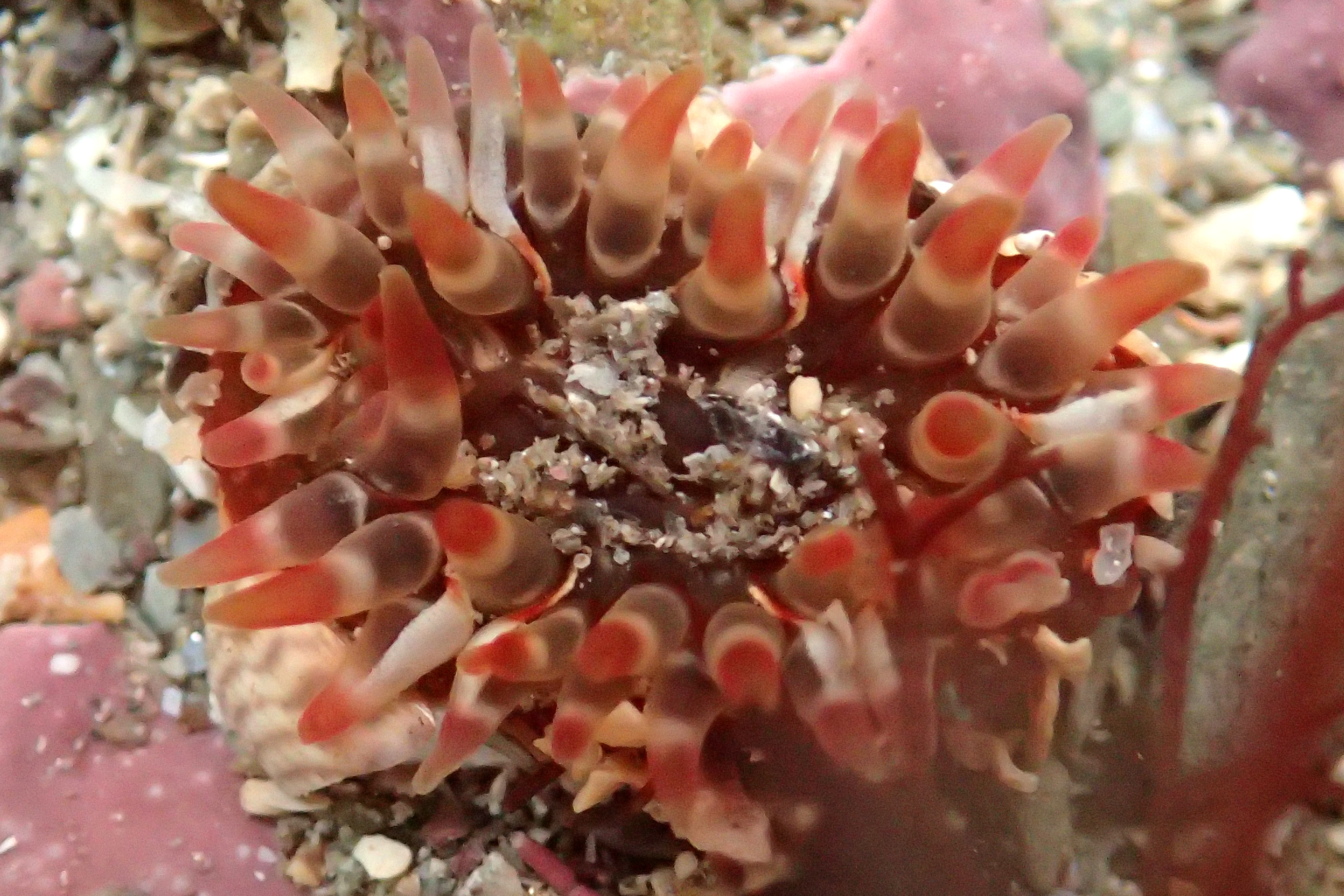
Many of the inhabitants of our pools, like the scorpion fish with its fierce spines and puffed face, would audition well for a horror film part, but each of these creatures is perfectly adapted to survive in this harsh environment. After the crowds have left, we carry on exploring the pools, wading among red sea beech and finding bright anemones among the fading sargassum weed.
Late October is a time of calm in the Cornish rock pools. This is the end of one year of growth and the transition to the next; the old Cornish festival of Allantide (Kalan Gwav) celebrates the first day of winter at this time. Our wildlife will weather many storms before the next spring comes around.


 Cornish Rock Pools
Leave a comment