Author: Heather Buttivant

  • A very British beach picnic.

    A very British beach picnic.

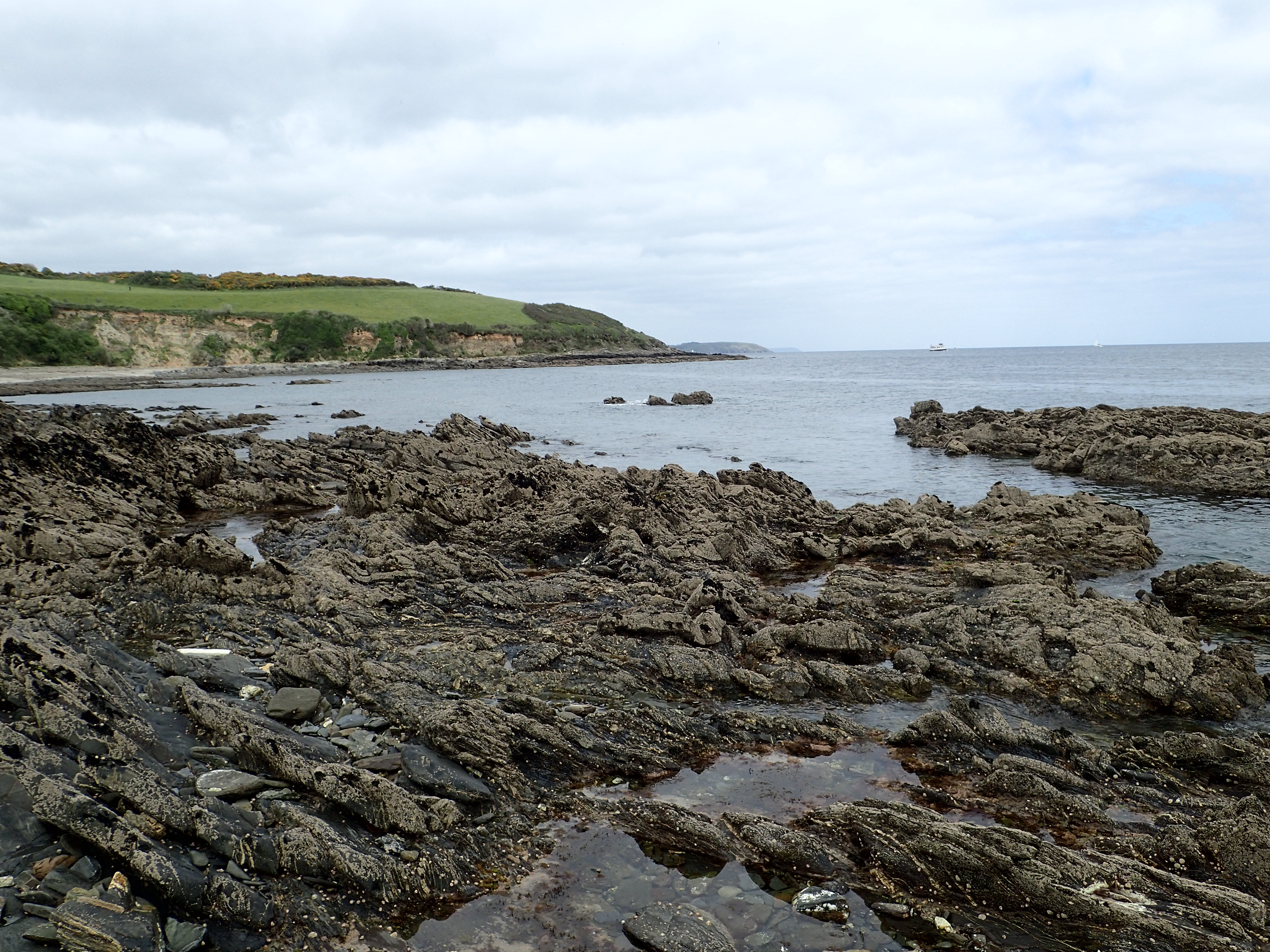
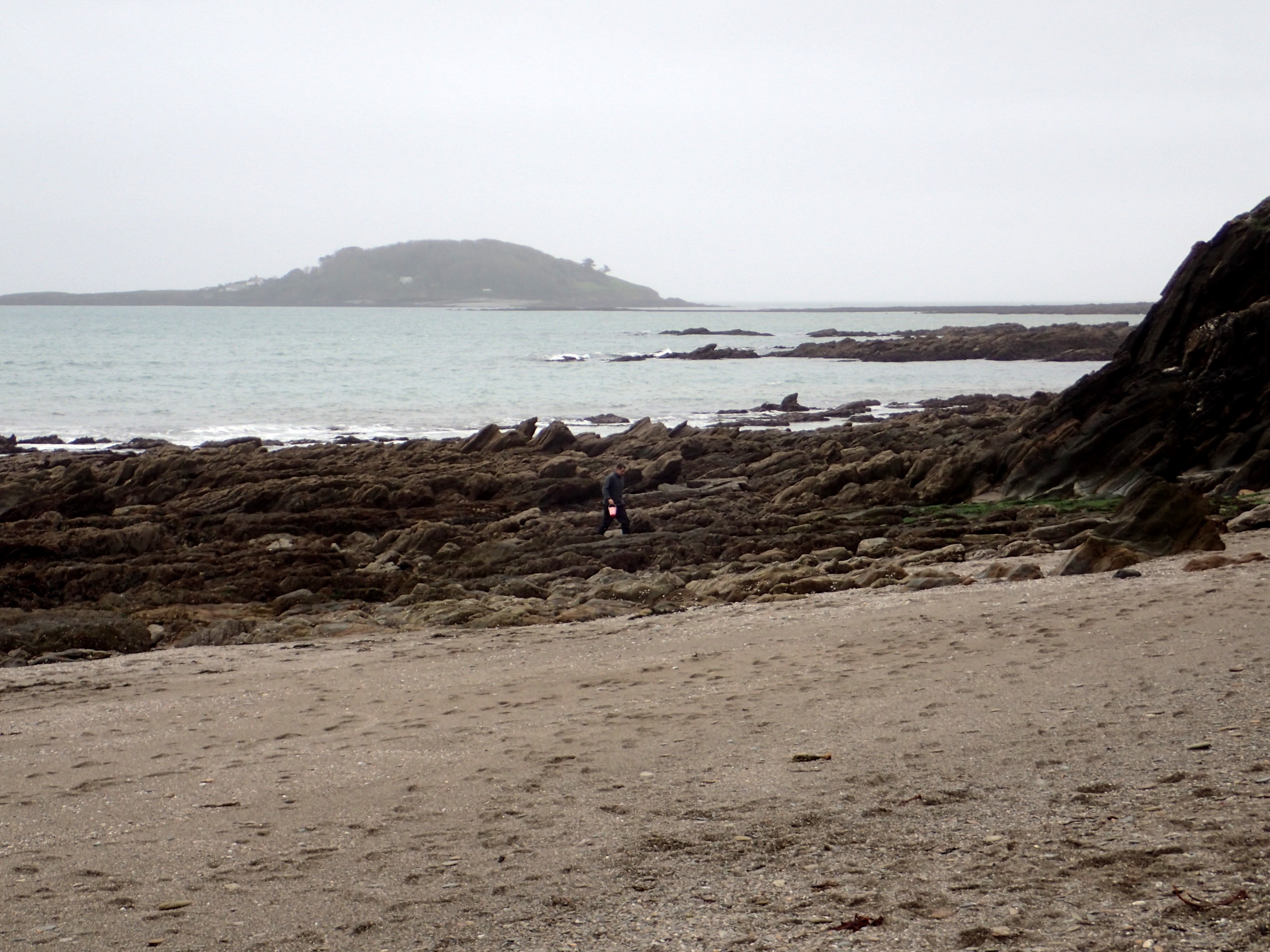
    It’s bank holiday Monday and, by rights, the beaches should be packed with tourists, but this is a British bank holiday complete with the standard issue of drizzle and greyness. We seem to be the only people who’ve come for a picnic today.

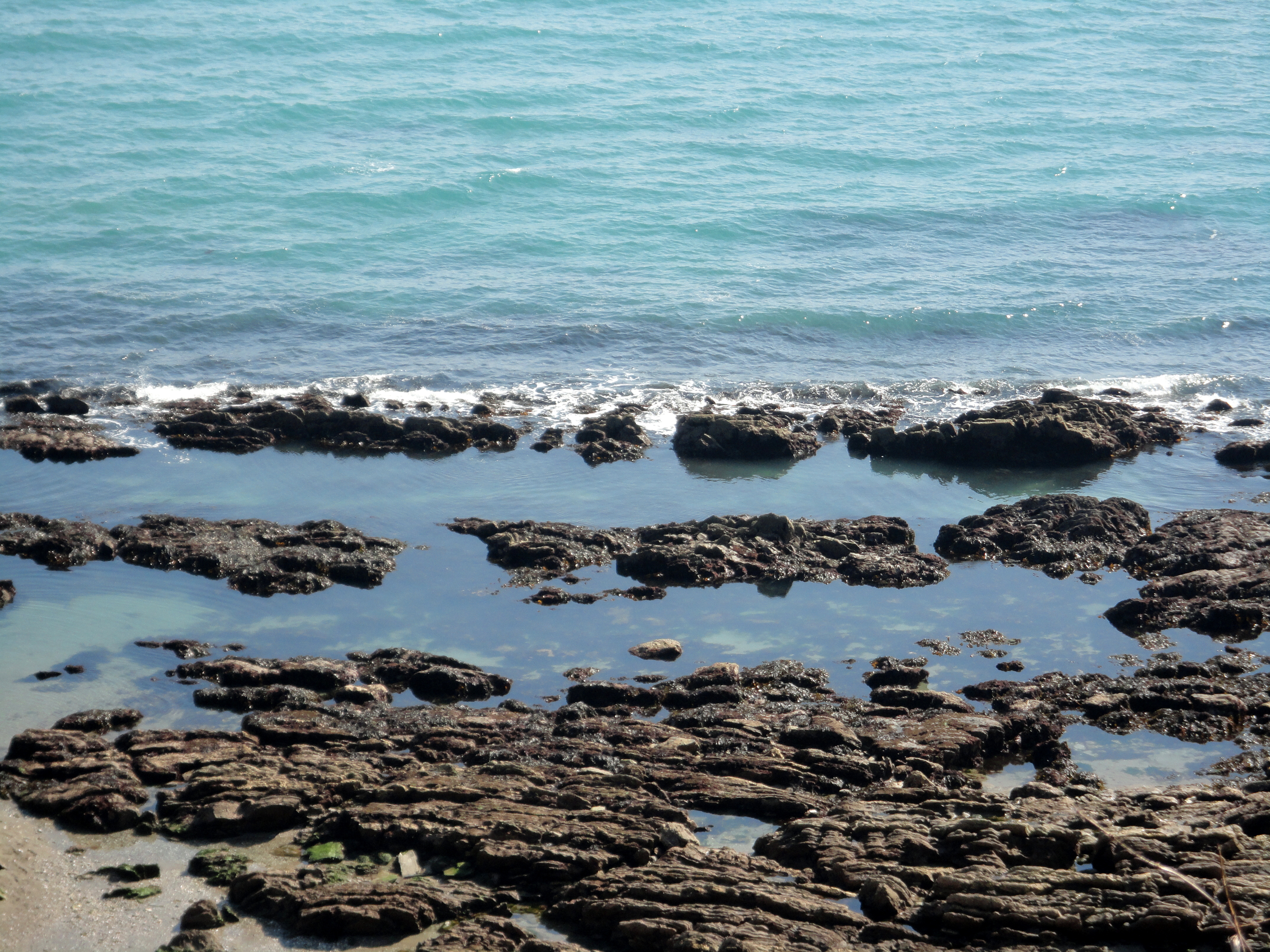
    A very un-summery bank holiday at Plaidy beach near Looe
    A very un-summery bank holiday at Plaidy beach near Looe

    Cornish Rock Pools junior and his Dad undertake mega-engineering projects on the stream while I explore the rock pools, eager to put my new camera through its paces.

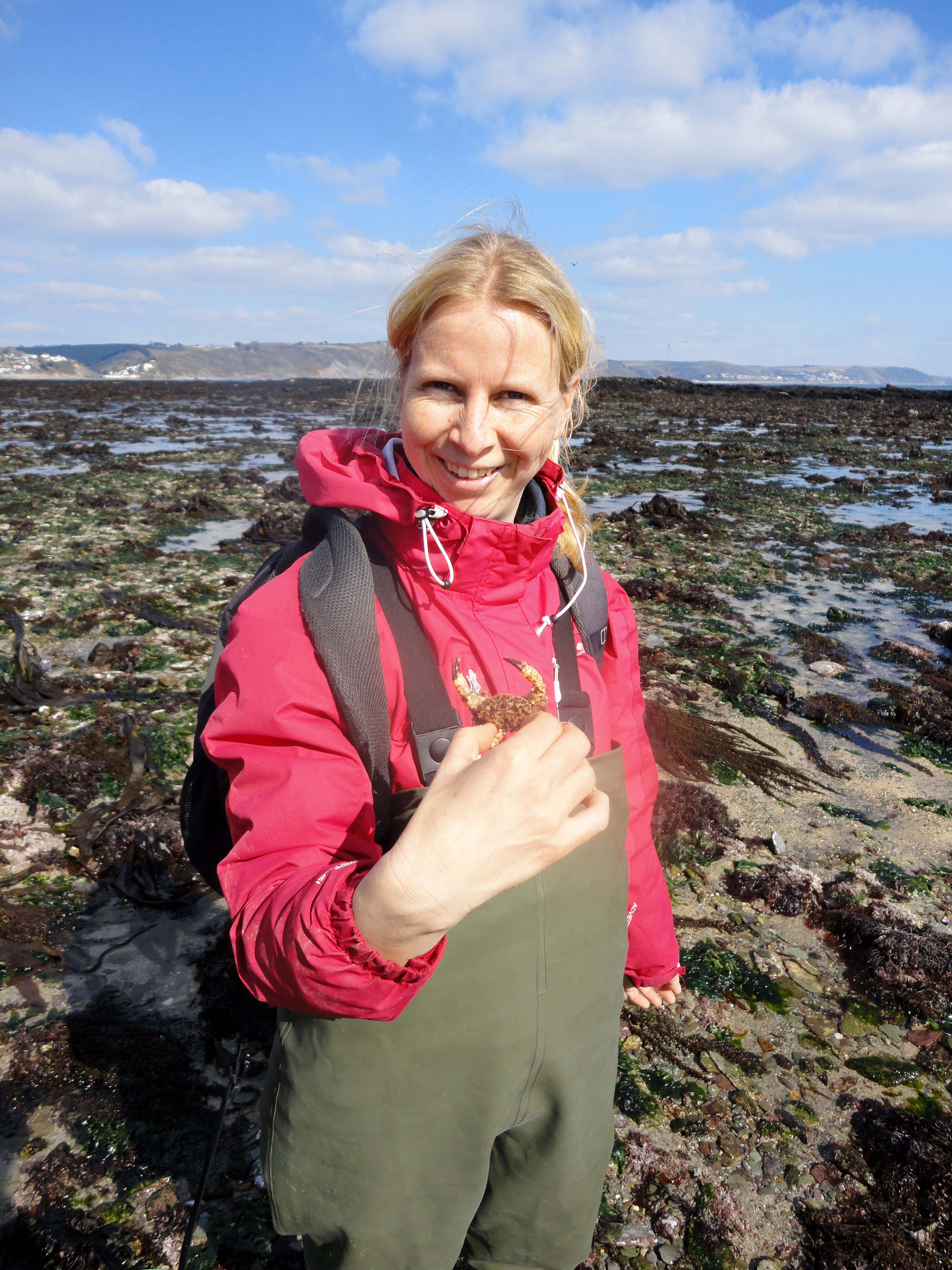
    Pleased to meet you! A broad-clawed porcelain crab extends a claw. Cornish Rock Pools
    Pleased to meet you! A broad-clawed porcelain crab extends a claw.

    It seems that the wildlife has also gone to ground, as though the animals have moved further out to sea during the heavy rains. The regulars are still here though, lurking in the murky water.

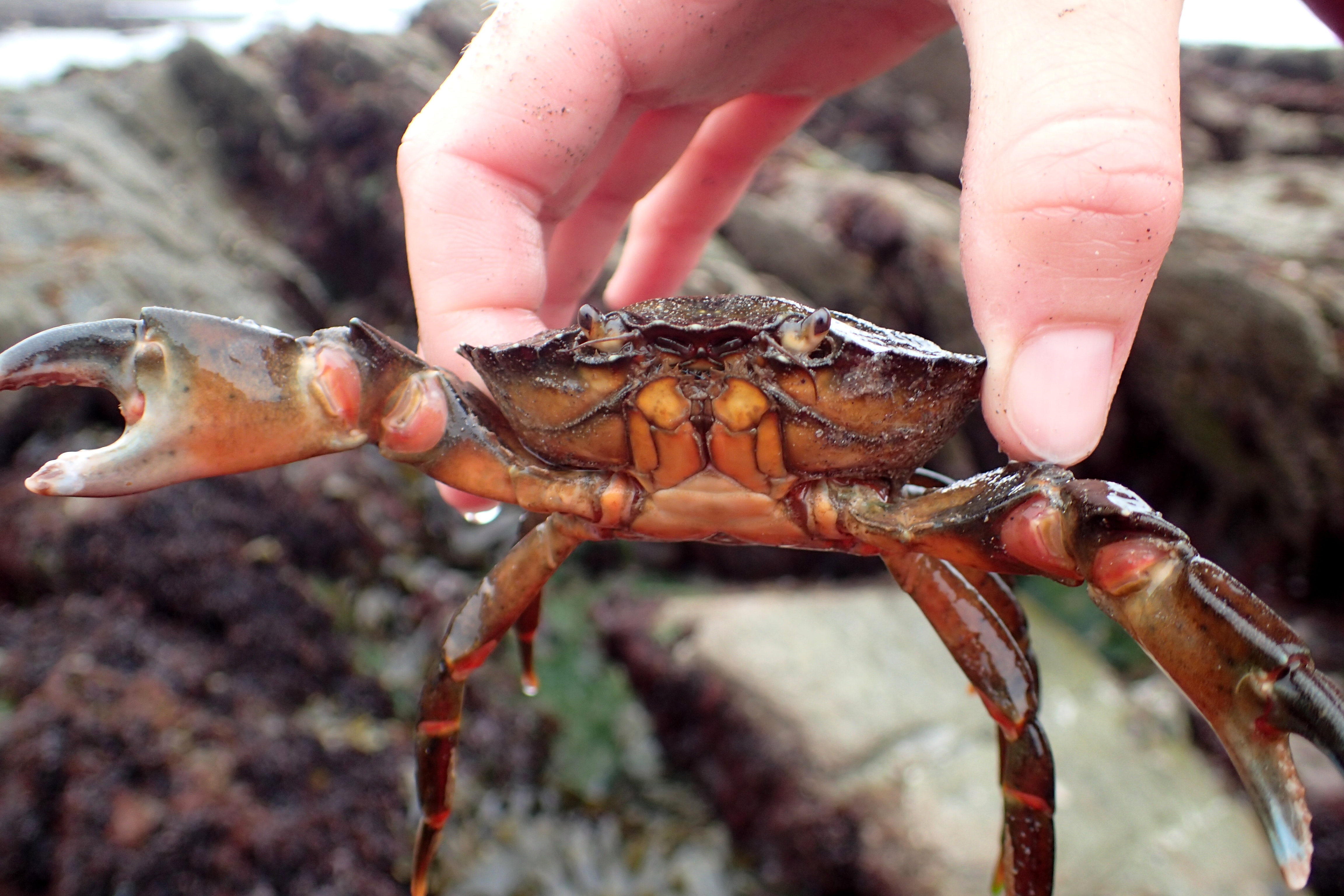
    Green shore crabs abound among the rocks.
    Green shore crabs abound among the rocks.

    Under almost every rock there are young edible crabs shunting sand over themselves while larger green shore crabs run for cover.

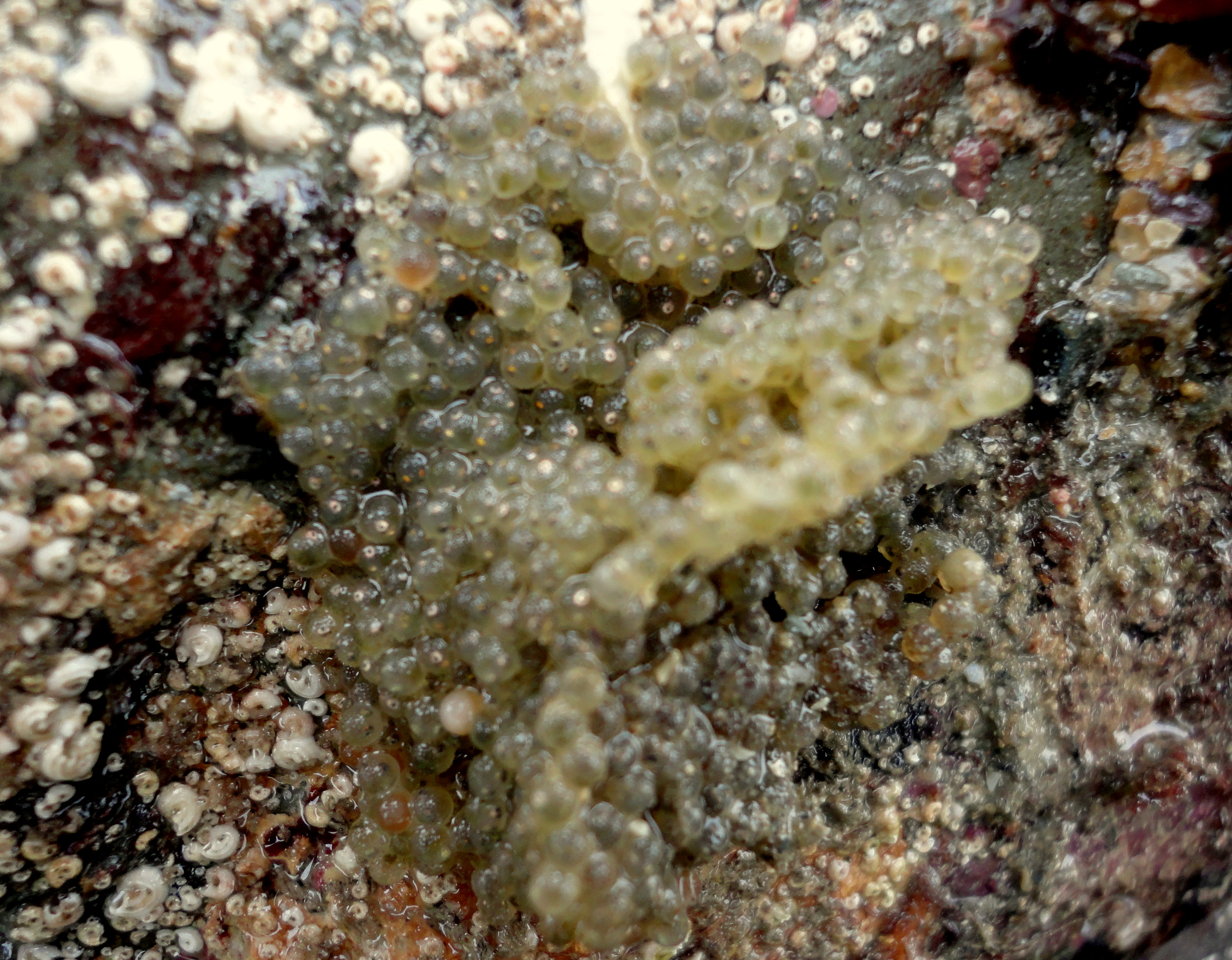
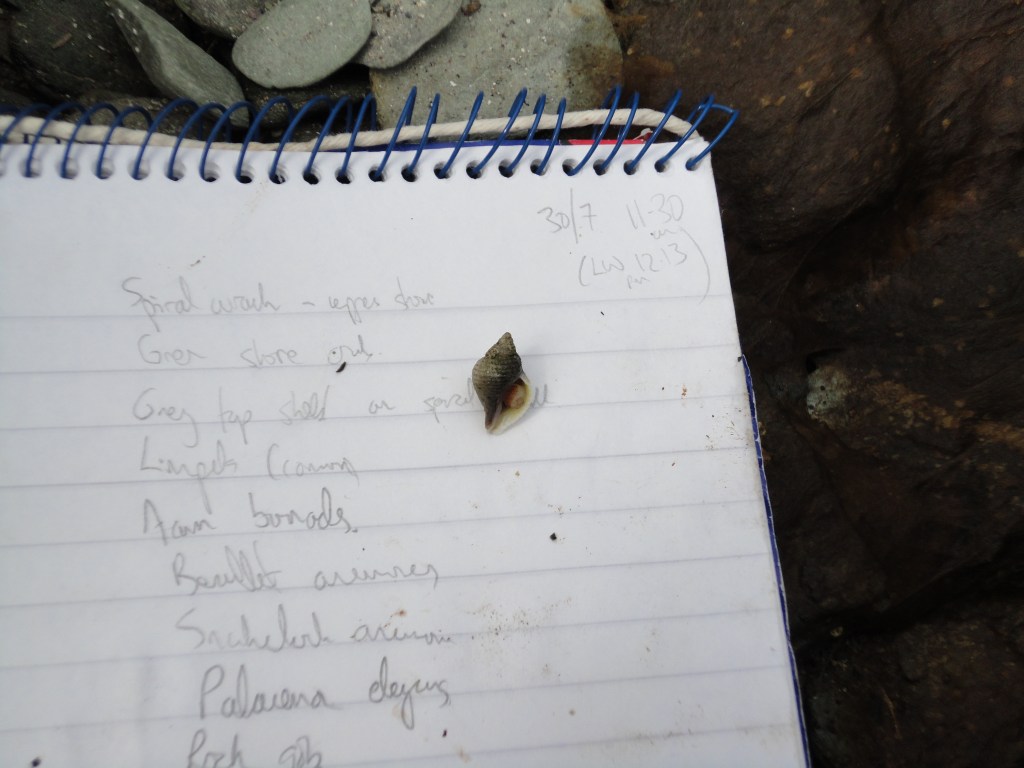
    Netted dog whelk egg capsules
    Netted dog whelk egg capsules

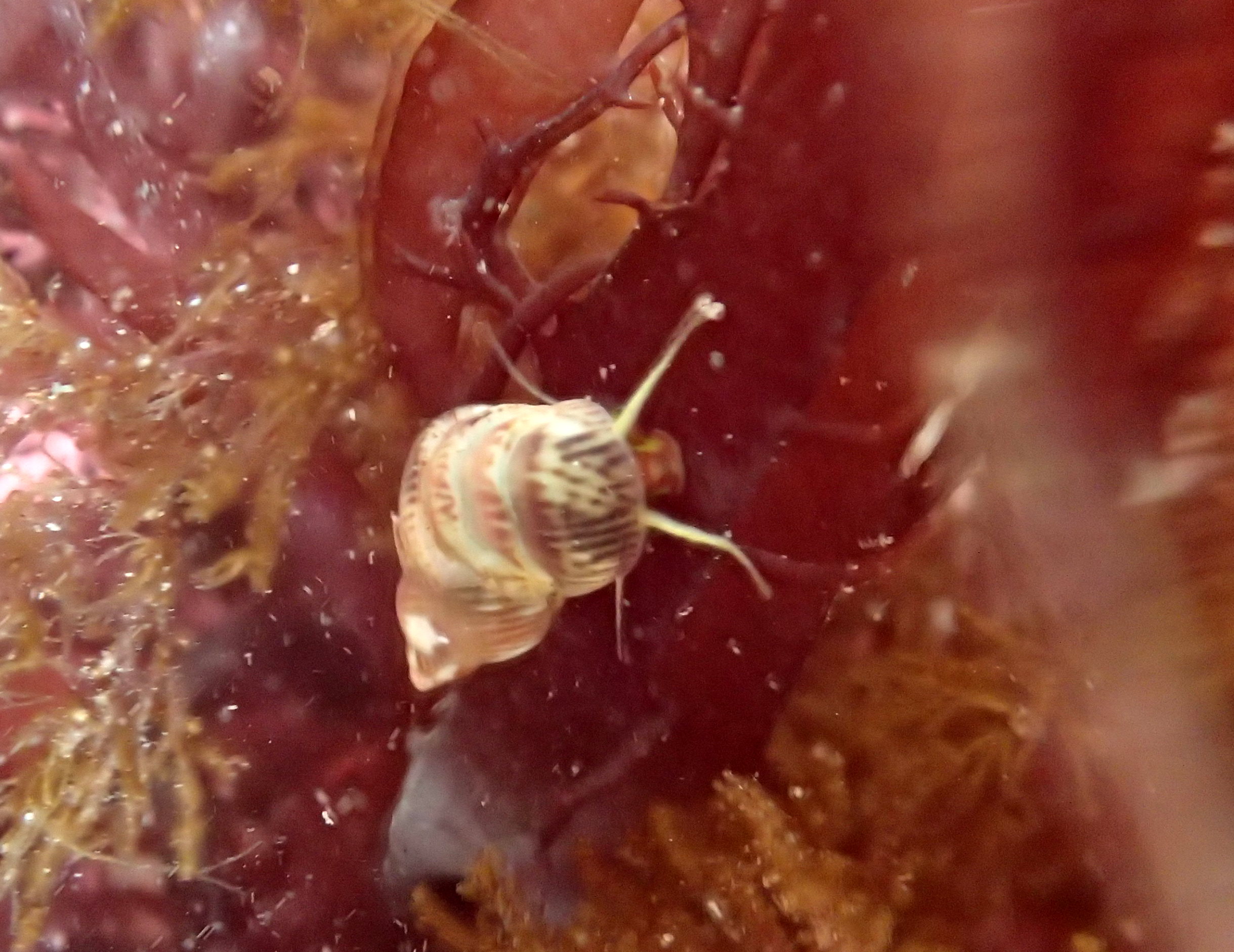
    In a pool that threatens to over-top my wellies, I find a pheasant shell going about its business. I can barely see it in the silty water as it makes its way along the red seaweed. Under the camera, its neat maroon stripes become more visible and I can see its tentacles flopping over the edge of the weed.

    A pheasant shell undeterred by the silty water
    A pheasant shell undeterred by the silty water

    A grey heron is fishing in the farthest pools. As the waves begin to slosh up the gulley, a cormorant flies in and takes up position behind the heron, where it stays for the next half hour. I hunt the mid-shore for the ever illusive starfish, Asterina phylactica.

    The first Asterina phylactica starfish I find is especially tiny.
    The first Asterina phylactica starfish I find is especially tiny.

    The first of these minute starfish I find is so small that I can barely see it among the weed. It moves remarkably quickly, sliding round the branching tuft of pink coralline seaweed and disappearing from view each time I try to focus on it.

    Other half sidles over and asks about the sandwiches. I realise I’ve been staring into this pool for way too long and somehow I’ve managed to soak my fringe and my coat sleeves in my enthusiasm, but I’m not quite ready to give up. Eventually I’m rewarded by finding a larger, brighter specimen, which I photograph with numb fingers.

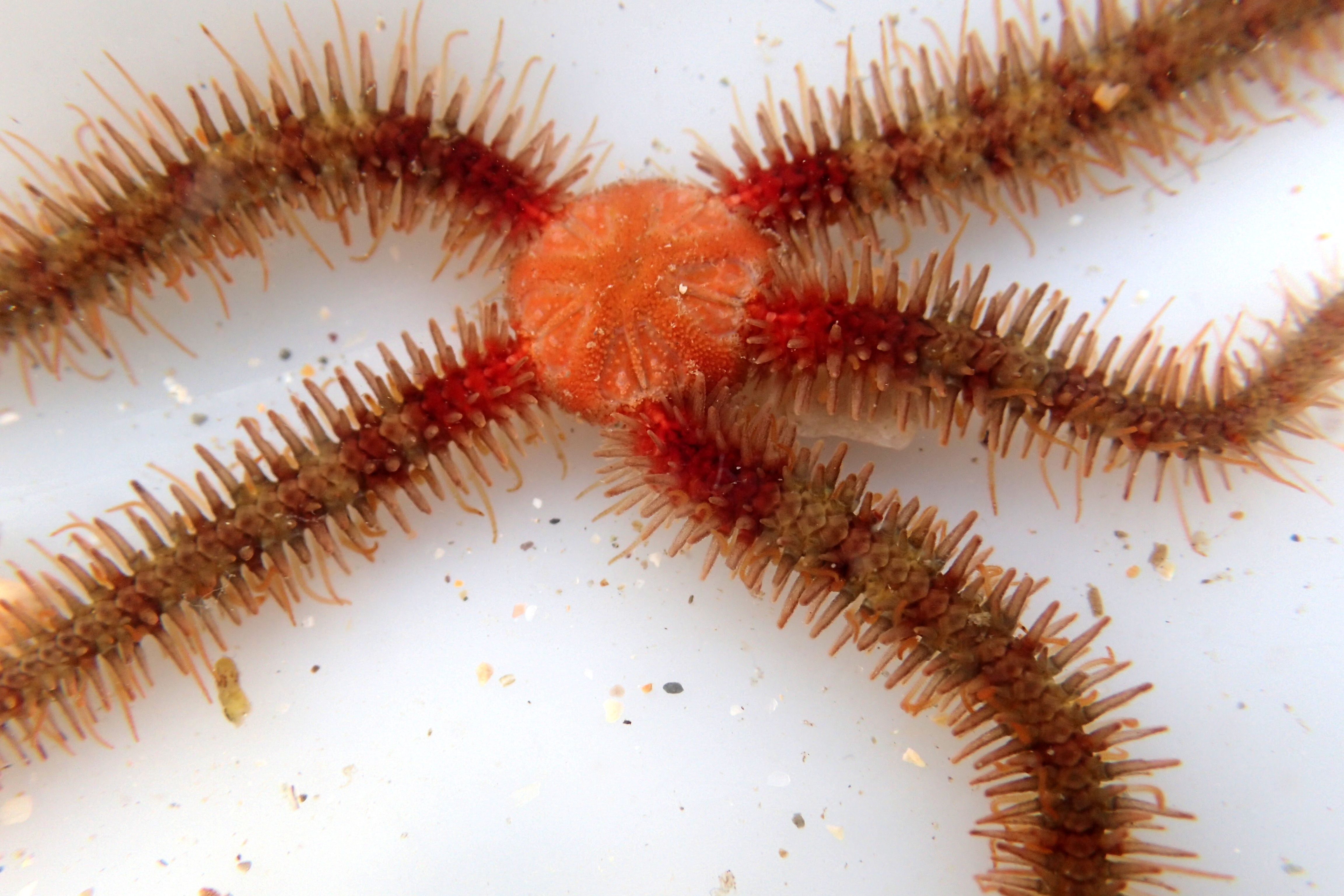
    A slightly larger, more brightly coloured Asterina phylactica starfish.
    A slightly larger, more brightly coloured Asterina phylactica starfish.


    Asterina phylactica starfish - well worth the time spent searching.
    Asterina phylactica starfish – well worth the time spent searching.

    The drizzle sets in properly as we begin our picnic. Cornish Rock Pools junior builds a shelter under his Dad’s coat and happily munches on sandwiches and biscuits. I flex my fingers and am just beginning to sense the return of some sort of blood flow when I remember the bucket. I definitely had it and now I don’t. Other half and I mount a search party, but he heroically sends me back to the chocolate digestives while he continues the hunt.

    Cornish Rock Pools junior makes his picnic shelter.
    Cornish Rock Pools junior makes his picnic shelter.

    After several long minutes of searching, the tide and mist closing around him, he lifts the bucket aloft and junior and I clap and cheer with our mouths full.

    Red bucket is saved!
    Red bucket is saved!

    Soon the cliffs are disappearing in the fog and the rain sets in properly. As the oystercatchers sweep in, we hastily pack up our very British picnic and leave the beach completely deserted.

    A snakelocks anemone among the sea lettuce.
    A snakelocks anemone among the sea lettuce.
  • Testing out the new Camera

    Testing out the new Camera

    It’s been on the cards for a while. My old compact point and shoot camera was never great on the macro close-ups I like to take and it certainly wasn’t designed for the sand blasting, dunking in salt water and dropping on rocks that I’ve subjected it to. It’s amazing it lasted as long as it did, but the sand-choked lens finally gave up a couple of weeks ago.

    My old camera took a lot of persuading to focus on small things and often couldn't cope.
    My old camera took a lot of persuading to focus on small things and often couldn’t cope.

    So, I’ve finally done it! I’ve bought a new camera. It’s a fairly basic compact, but it’s waterproof, shockproof, doesn’t have many places sand can get in and can actually focus on the little critters we all love.

    This gem anemone was easy to shoot with my new camera.
    Off to a good start. This gem anemone was easy to shoot with my new camera.

    When I started this blog I had one big worry. I am a writer and love to share the joys of rockpooling, but before I even started, I realised that wasn’t enough. A blog needs photos.

    Flat periwinkle in a Cornish rock pool - Castle Beach
    Flat periwinkle in a Cornish rock pool – Castle Beach

    My worry was on two counts. Most importantly, I didn’t see myself as a photographer. Frankly, I still don’t. I’m the sort of person who can spend a week’s holiday discovering amazing sights, being enthralled by the views and only discover my camera at the bottom of my bag on my return as I come to unpack. Even when I do remember, I just take quick snaps.

    My second problem is that I can neither justify nor afford the sort of equipment that would give me those fantastic shots you see in magazines. Even if I could fork out for the lenses, I wouldn’t know what to do with them and I’d need a hefty insurance package to cover the number of times I drop my equipment in sand and water. I once even managed to drop the camera on rocks and then fall on top of it in a slippery kelp gully. My ribs took several months to recover, but the camera miraculously survived.

    My new camera handles a classic crab shot on the first attempt. Edible crab at Castle Beach, Falmouth.
    My new camera handles a classic crab shot nicely on the first attempt. Edible crab at Castle Beach, Falmouth.

    Since I set this site up last year, I’ve become quite an expert in cropping and adjusting my photos to turn them into something recognisable – and at times quite passable.  With my new camera I am now able to take good resolution close-ups. My first foray to Castle Beach is a big success… I still need to work out all the settings, but I’m already capturing anemones, fish, prawns and more in more detail than I’ve ever managed before.

    I’m hoping I’ll now be able to share photos of some of the tiny creatures that my old camera wouldn’t even attempt. I think I’m starting to enjoy photography. I’m off to the beach now, so watch this space!

    A common prawn swims over to say 'hello' to my new camera.
    A common prawn swims over to say ‘hello’ to my new camera.
  • Life at the Mine Pool -Mawgan Porth

    Life at the Mine Pool -Mawgan Porth

    To me, there can be nothing closer to heaven than the cliff tops around Mawgan Porth in late spring. The explosion of colours can be seen from afar and will reach its peak over the next few weeks.

    The thick, warm, honey-laden scents of the gorse and the delicate smell of the opening thrift provides the perfect accompaniment to the view of taut lines of swell stretching across a wide indigo horizon.

    It comes as more of a surprise that so many flowers are blooming near the base of the cliffs, in the shadow of the old mine workings that are set deep into the northern cliff face.

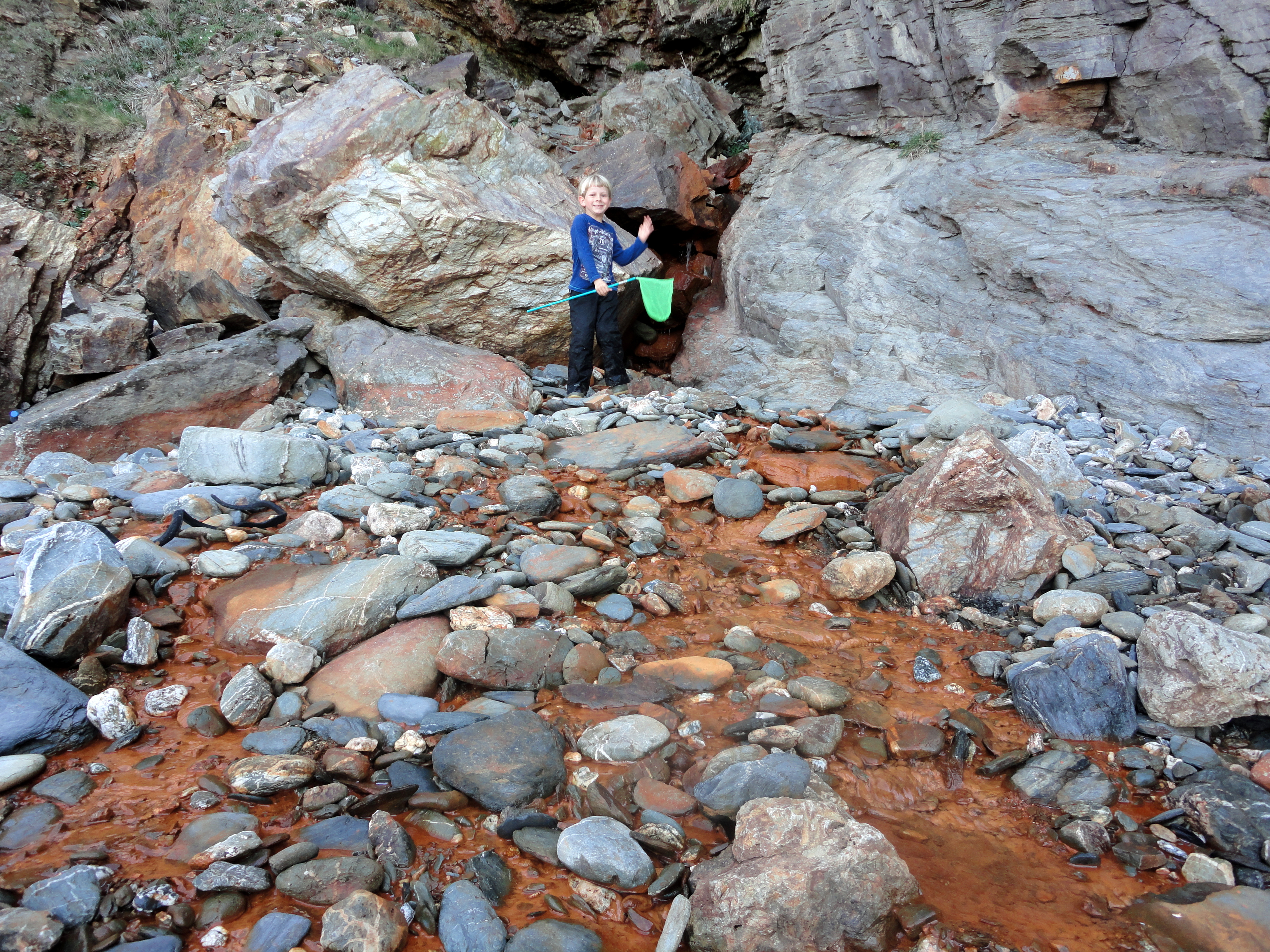
    Cornish Rock Pools junior approaching the mine entrance optimistically equipped with a fishing net.
    Cornish Rock Pools junior approaching the mine entrance optimistically equipped with a fishing net.

    At first glance it seems that nothing could survive among the stark rockfall boulders and the red metallic ooze from the flooded and blocked shaft. As we clamber closer across the rocks, we see plants poking out. Scurvy grass – so named because it’s rich in vitamin C – more beautiful than the name suggests. Thrift, sea plantain and more are pushing up between the red stones and flowering happily. (more…)

  • An Early Summer in the Cornish Seas

    An Early Summer in the Cornish Seas

    There are eggs everywhere in the Cornish rock pools this time of year and the warm weather and high pressure have provided perfect conditions for finding them.

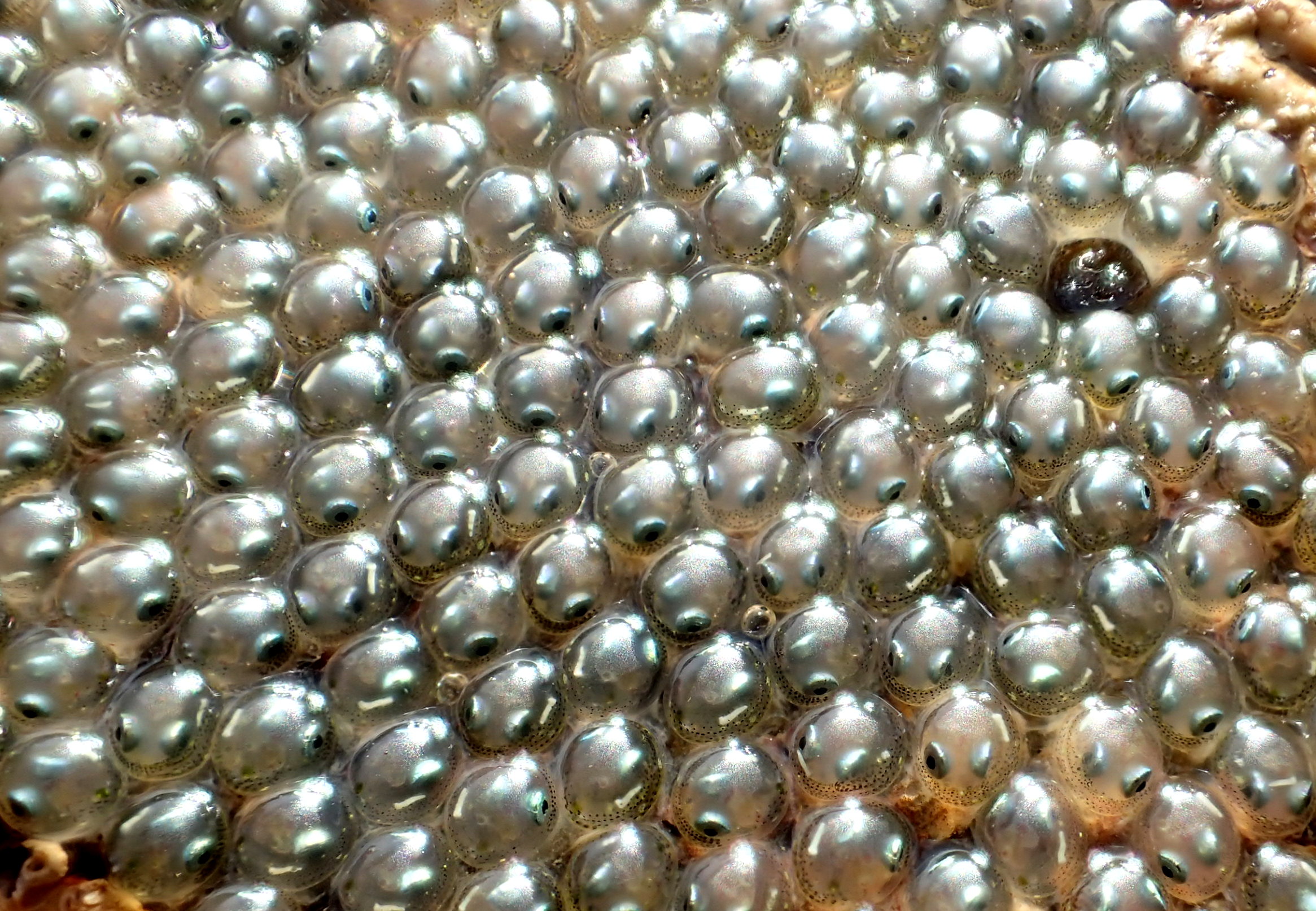
    Fish eggs among the rocks - when you look closely you can see the little eyes staring back at you.
    Fish eggs among the rocks – when you look closely you can see the little eyes staring back at you.

    Fish have moved inshore to protect their broods, crabs are carrying great mounds of eggs under their tails and sea slugs have started to lay their distinctive neat egg coils. (more…)

  • Staring Into Pools

    Staring Into Pools

    The lack of time before the sea laps back in can sometimes make the hunt for sea creatures a bit of a frantic affair. Add eager small children to the mix and the clock is ticking. After a busy week, I took the time to stop and stare and it paid off.

    Enticing Cornish rock pools in the sunshine
    Enticing Cornish rock pools in the sunshine

    The wide blue skies gave us perfect conditions for taking our Easter visitors and their children rock pooling this week and I’m pretty sure they weren’t disappointed. A quick search was enough to find starfish, blennies, crabs and shells to wow our guests.

    Inevitably a child fell in a rock pool – but fortunately it was fearless Cornish Rock Pools junior. He was already shouting, ‘I’m all right,” as I hooked him out and he ran off to climb rocks as soon as I’d wrung out his coat.

    A female Xantho incisus crab carrying her eggs
    A female Xantho incisus crab carrying her eggs

    On Monday, another set of visitors arrived with their teenage boy, so the pace was suddenly less urgent.

    As I clambered over the rocks with my friend’s son, I pointed out shallow pools packed with snakelocks anemones and we sat awhile entranced by the tangle of moving tentacles.

    Watching tentacles moving in a pool packed with snakelocks anemones
    Watching tentacles moving in a pool packed with snakelocks anemones

    “Sometimes,” I said, “if you sit and stare at a pool for long enough, you begin to notice things you didn’t realise were there.”

    We were looking into a clear rock-top pool lined with pink corraline seaweed. “You might even spot rare creatures, you just have to make time to look,” I explained.

    I trailed my finger gently through the seaweed a few times. Then a few times more, and a tiny star shape came into view. I reached in and lifted it on the tip of my finger, realising it might just be… yes, it was… an Asterina phylactica.

    The tiny Asterina phylactica starfish
    The tiny Asterina phylactica starfish

    I’m probably not meant to have favourites, but Asterina phylactica are absolutely, without a doubt, my favourite sea stars. They are decorated with dots of bright colour, like little gems. I don’t often see them and had no idea they lived here at my local beach.

    Of course, I was there without my camera so I went back today for some more staring.

     After half an hour of gazing into pools and browsing the seaweed, I finally found this little fellow.

    ASterina phylactica are easily recognised by the little circles of colour which often form a dark central star shape
    Asterina phylactica are easily recognised by the little circles of colour which often form a dark central star shape

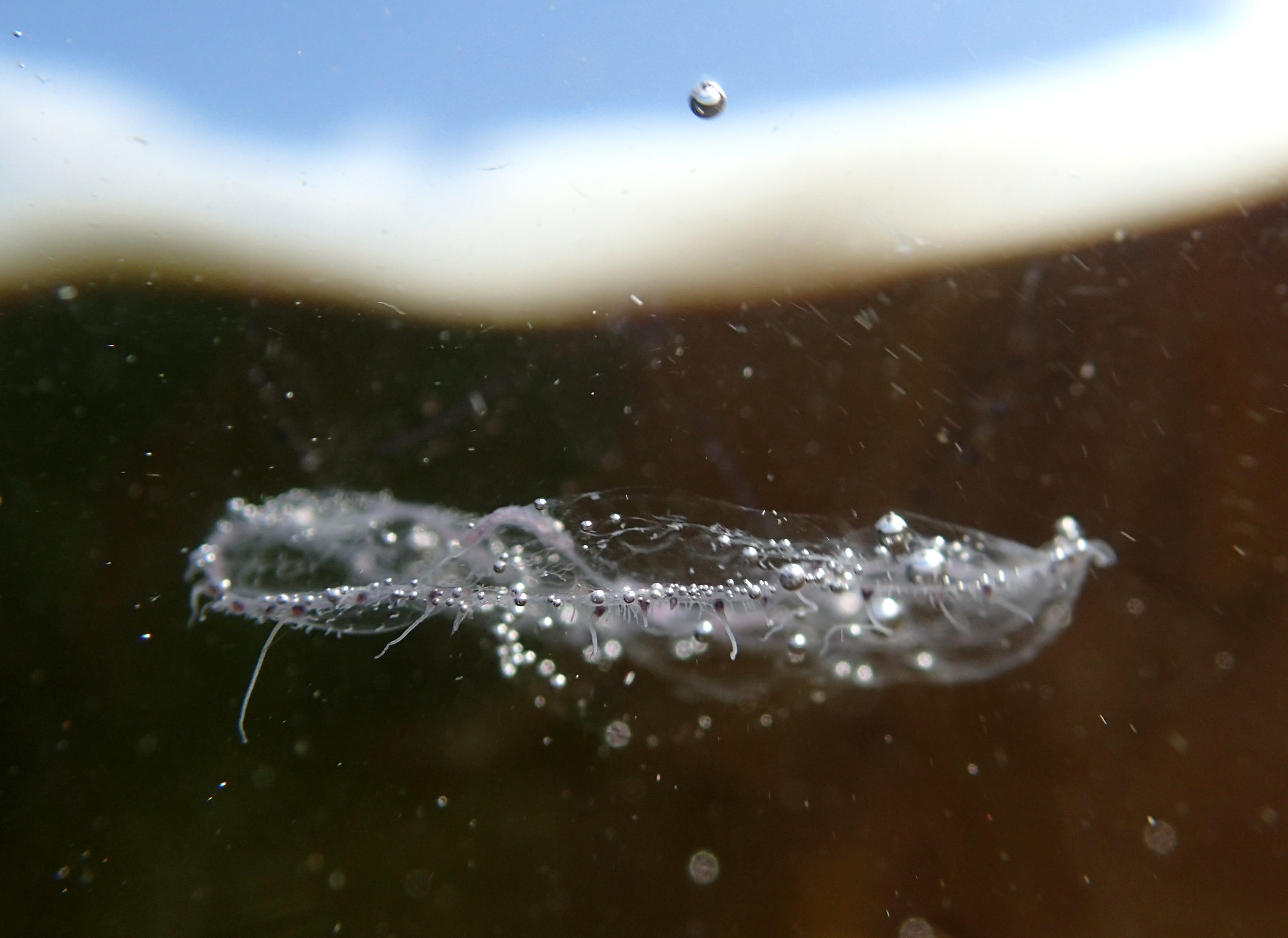
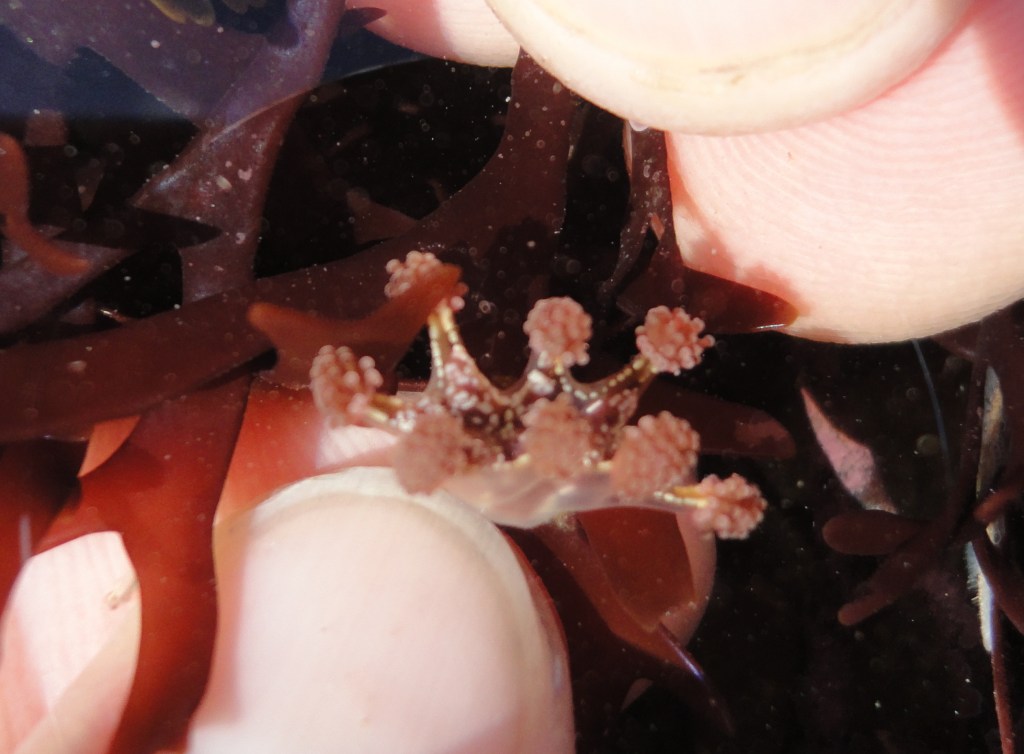
     I walked out to the lower shore and stood in a welly-deep pool staring and staring some more. I’m not sure how long I was there before this little stalked jellyfish caught my eye. The Lucernariopsis cruxmelitensis is another beautiful little animal that I don’t often see.

    A stalked jelly - Lucernariopsis cruxmelitensis
    A stalked jelly – Lucernariopsis cruxmelitensis

     Sometimes it pays to stop and stare.

    If I looked away for a second, it was almost impossible to spot this stalked jellyfish again.
    If I looked away for a second, it was almost impossible to spot this stalked jellyfish again.


  • Help our rockpool wildlife – Recording your finds is easier than ever

    Help our rockpool wildlife – Recording your finds is easier than ever

    It’s always exciting when you find something new, something different, but did you know how easy it is to record your finds? Sending in your sightings can help conserve our fantastic wildlife.

    "Rob's rock" -Compiling a species list on a Cornwall Wildlife Trust Shoresearch survey
    “Rob’s rock” – Compiling a species list on a Cornwall Wildlife Trust Shoresearch survey

    After the recent huge spring tides, I had a long list of species spotted at various beaches, and I was dreading writing everything up.

    It was time to try out the new Online Recording for Kernow and Isles of Scilly (ORKS) website.

    The Environmental Records Centre for Cornwall and the Isles of Scilly (ERCCIS) at the Cornwall Wildlife Trust now offers three ways to send in your seashore records. (more…)

  • Super-tide in the Cornish rock pools – Porth Mear

    Super-tide in the Cornish rock pools – Porth Mear

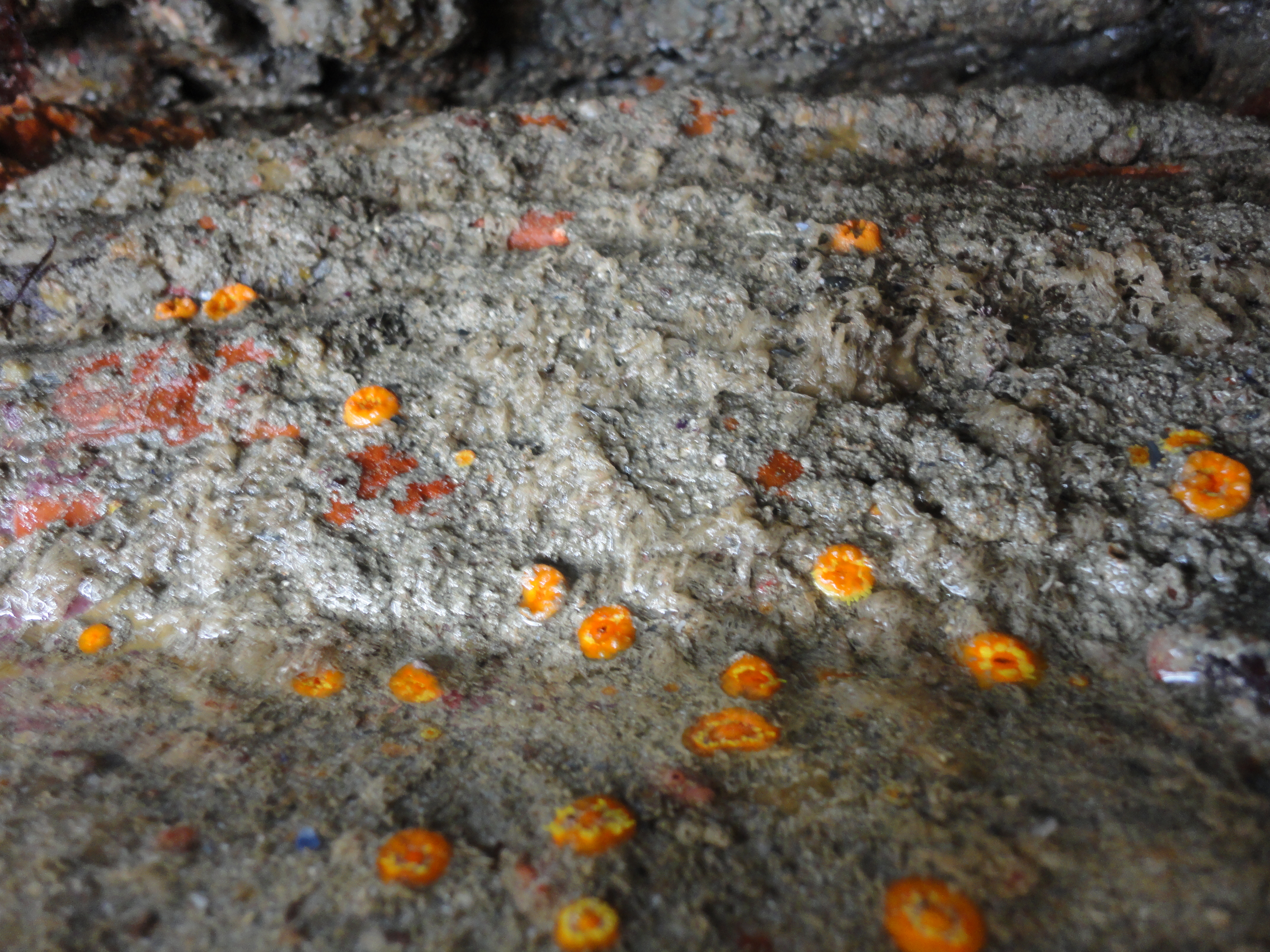
    Occasionally you find something in the rock pools that makes you want to shout it from the cliff tops. This is one of those moments. I was hoping for some interesting finds at this spectacular rocky cove, but this little overhang is hiding something magical – a large colony of Scarlet and gold star corals.

    Scarlet and gold star corals under the overhang
    Scarlet and gold star corals under the overhang

    It’s the first time I’ve seen this species at Porth Mear and it’s not easy. Waves are crashing through a deep channel to my left and splashing up my leg and I’m standing in boot-depth water, trying to (more…)

  • Super-tide in the Cornish Rock Pools – Hannafore

    Super-tide in the Cornish Rock Pools – Hannafore

    I am a lucky woman. Not only is my other-half proud to be seen in public with me when I’m wearing my oh-so-flattering waders, but he’s even prepared to spend his birthday on the shore.

    He says he understands; tides like this don’t come up every day. In fact, watching him lifting stones and kneeling to take photos, I start to suspect he’s becoming as obsessed as I am.

    I love my waders! Exploring the Cornish rock pools.
    I love my waders!

    The tide is already out so far that (more…)

  • Practice Run – Rockpooling just before the big tides

    Practice Run – Rockpooling just before the big tides

    This weekend will be a rockpool marathon. I’ll be out in my splendidly flattering waders crawling among kelp and tearing my fingers apart on barnacles and keel worms, making the most of the exceptional spring tides.

    In preparation I take a leisurely pootle to my local beach, Plaidy. High pressure and calm seas mean this is already a great tide – it will drop another half-metre by Saturday.

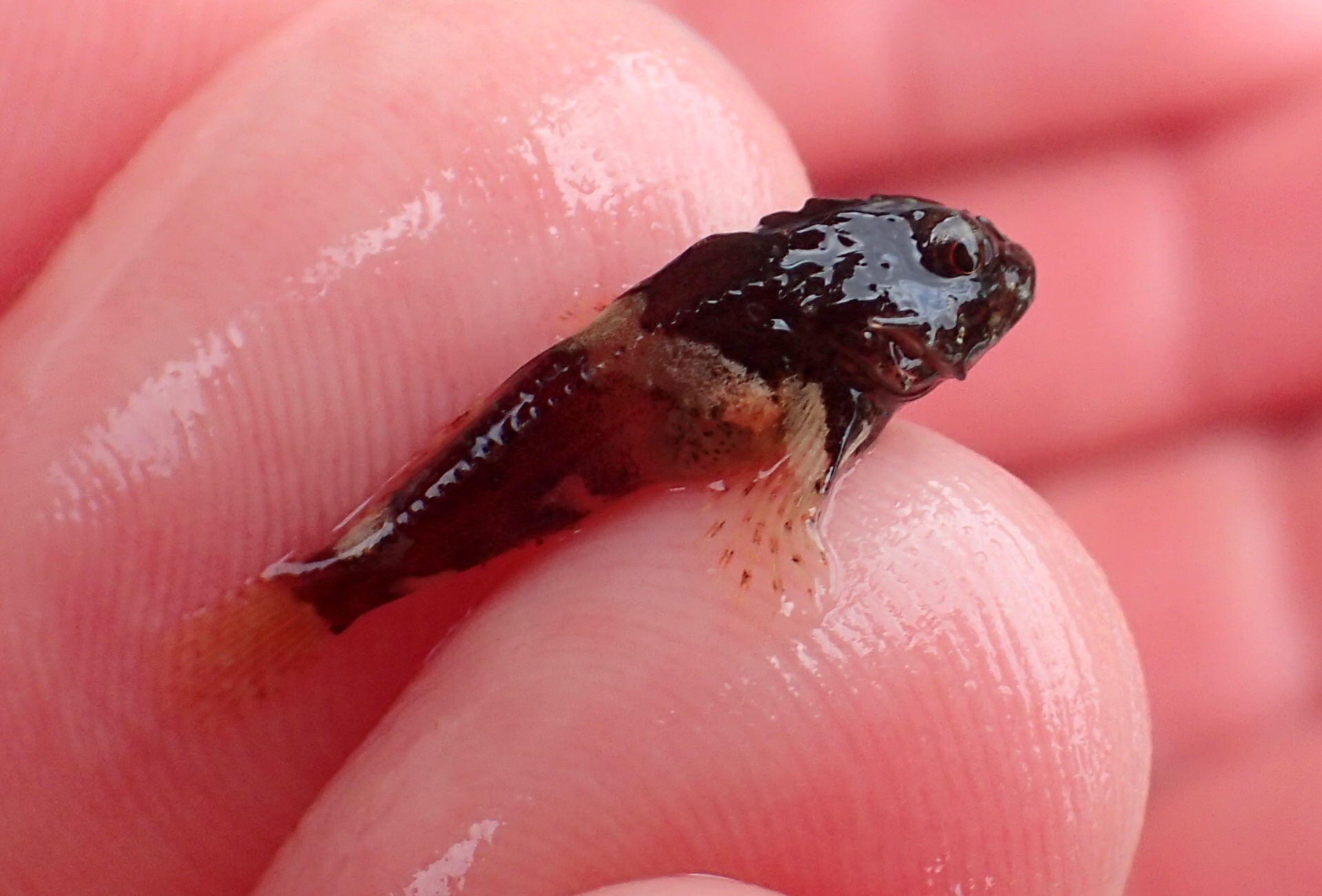
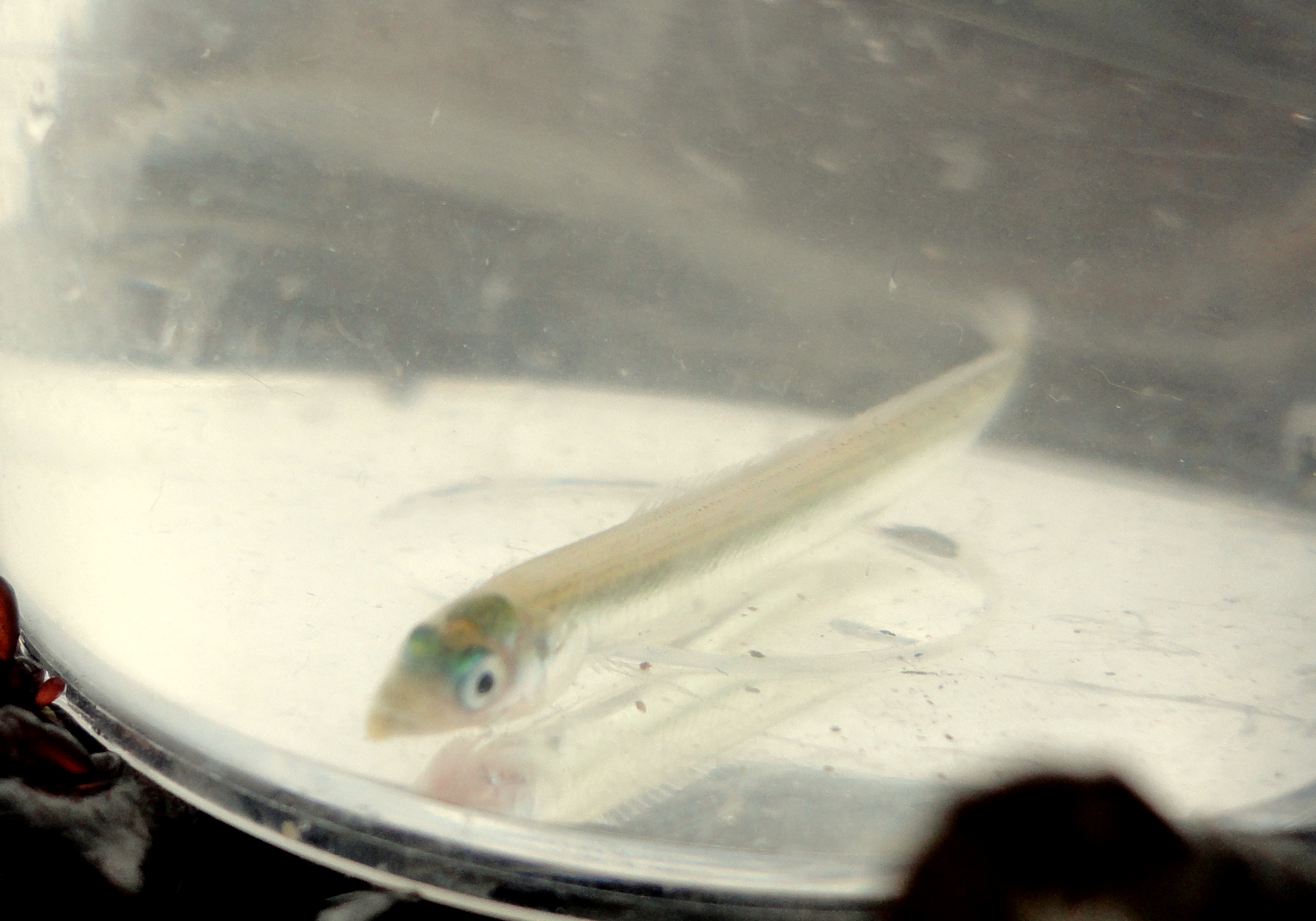
    Baby sand eel
    Baby sand eel

    Cornish Rockpools junior is digging sea defences, rescuing the baby (more…)

  • An outdoor education – B is for…

    An outdoor education – B is for…

    We’re playing a board game with Cornish Rock Pools junior when he picks a question card: Name three animals beginning with B. He starts to reel off his answers – ‘Bear, bird…’, then hesitates. His dad makes buzzing noises and flaps his arms, but, like most children, our son wants to come up with his own answer.

    I’m reminded of the alphabet charts with a picture for each letter, you know the ones. The chart in my childhood classroom had some familiar animals, but also lots of exotic creatures that we were unlikely to see roaming the Cornish lanes (elephant, hippo, zebra, etc).  I’m not sure my son has ever seen (more…)